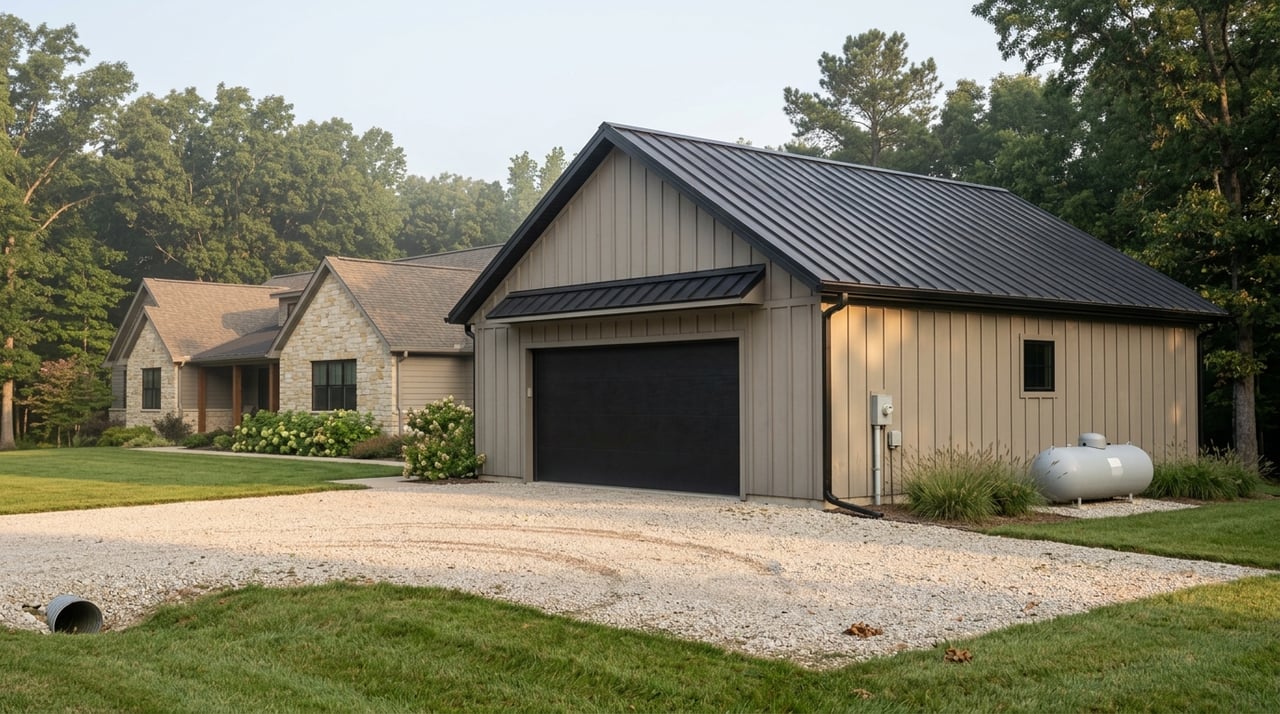
If you picture a hobby property as nothing more than “a few acres and a house,” Spokane can surprise you. In this part of Christian County, the difference between a great small-acreage purchase and a frustrating one often comes down to zoning, access, septic, and site conditions. If you want room for a shop, a few animals, or simply more space to spread out, this guide will help you focus on what really matters before you buy. Let’s dive in.
Why Spokane Appeals to Small-Acreage Buyers
Spokane is a census-designated place in Christian County, and much of the county is unincorporated. The county also describes its southern half as predominantly rural, which helps set the right expectation if you are shopping for land near Spokane. You are not looking at a typical in-town lot pattern here.
That rural setting is a big part of the appeal. You may find the kind of elbow room that works for a hobby property, whether that means a detached shop, a roomy homesite, or land that supports a more country-style setup. At the same time, Spokane sits within the broader Springfield and Branson orbit, so you are not completely removed from regional services and destinations.
For many buyers, that balance is the sweet spot. You can pursue a quieter property in a rural part of Christian County while still staying connected to the larger Springfield-Branson corridor.
What “Hobby Property” Means Here
In the Spokane area, a hobby property usually falls somewhere between a standard residential lot and a full agricultural operation. You may be looking for space for personal projects, light agricultural use, storage for equipment, or a few animals. The key is that the land has to support your intended use under county rules, not just look good on paper.
That is why acreage alone is not enough. In Christian County, the zoning district, road frontage, and utility setup can matter just as much as the total number of acres. A parcel can seem ideal at first glance and still fall short if access or wastewater approval does not line up with your plans.
Check Zoning First
Christian County’s planning office maintains the official zoning map for unincorporated land, which makes zoning one of the first things to verify. If you are buying near Spokane, this step matters because many buyers are searching for flexible land use, not just a place to build a house.
A-1 Agriculture District Basics
The A-1 Agriculture District is intended for agricultural and related uses where non-farm residential development is not a significant portion. The county’s quick-reference table lists 5 acres for customarily agricultural uses. For a single-family dwelling with an individual well and approved on-site sewage system, the standard shown is 5 acres and 200 feet of frontage.
If your goal includes a more agriculture-oriented setup, A-1 may fit. The district specifically allows private stables and dairies, and it also requires buildings or enclosures housing fowl or animals to be set 100 feet from any residential district. That detail can become very important if you are trying to match a small tract with animal use.
A-R and RR-1 for Smaller Acreage
For many small-acreage buyers, A-R Agricultural Residence and RR-1 Rural Residence may be the more practical fit. Both districts are listed at 3 acres minimum lot area and 150 feet of frontage for a single-family dwelling with an individual well and approved on-site sewage system.
These districts can make more sense when you want a few acres instead of a larger agricultural tract. If your vision is a comfortable rural homesite with extra room, these are often the categories worth discussing early with the county planning office.
Subdivision Rules Can Affect Small Tracts
If you are looking at land that has been split or may be split, ask more questions. In A-1, tracts under 20 acres require an administrative subdivision, with no more than two tracts under 10 acres and the remaining tract at least 10 acres.
That does not mean every smaller tract is a problem. It does mean you should verify how the parcel was created and whether the lot configuration fits county requirements before you move forward.
Access Matters More Than Many Buyers Expect
Rural acreage near Spokane often raises a simple but critical question: how do you legally and practically get to the property? In Christian County, access can involve county roads, special road districts, private roads, or recorded easements.
The county highway department says it maintains nearly 1,200 lane miles of roadway, and there are also six Special Road Districts operating outside county authority under state law. That means road maintenance responsibility is not always obvious from a listing description or a quick drive-by.
Easement Access vs. Road Frontage
Christian County’s Road and Access Standards say that if a tract does not have direct county-road access, it must have recorded access to the public road. The standard is a 25-foot ingress and egress easement if it serves one tract, or a 50-foot easement if it serves two or three tracts.
This is one of the biggest due-diligence issues for hobby-property buyers. A parcel may be legally accessible but still function differently than a property with direct public road frontage. That can affect how straightforward the property feels for building, daily use, and future resale.
Private Drives and Private Streets
The county standards also say private drives may be used by no more than three tracts without public road frontage. Private streets require county approval and maintenance covenants, and the recorded plat must clearly state that the road is private.
For you as a buyer, the lesson is simple. Always confirm whether the road is public or private, who maintains it, and whether access is recorded properly before you assume the property is easy to use.
Buildability Is a Parcel-by-Parcel Question
A small-acreage property can look perfect online and still have major hurdles once you dig into site details. In rural Christian County, many properties depend on an individual well and an approved on-site sewage system rather than public utilities.
The county environmental office says an on-site wastewater permit is required for a new system or for a repair or replacement. It also states that a building permit for any structure requires verification from the Health Department that an appropriate wastewater treatment method has been approved.
Septic Approval Is a Big Deal
If you are buying for a future home, shop, or other improvements, wastewater approval should be near the top of your checklist. Without it, your plans may need to change or stop altogether.
This is especially important on smaller acreage, where layout and soil conditions can make placement more challenging. A tract may meet acreage standards and still need additional review before it works the way you hope.
Grading, Floodplain, and Site Issues
Christian County also requires a Soil Erosion Control Permit for any non-agricultural land disturbance. If land disturbance is more than 1 acre, the county says a Missouri Department of Natural Resources land disturbance permit is also required.
The environmental office also handles floodplain development permits for work in the mapped Special Flood Hazard Area. It specifically identifies sinkhole collapse, erosion, and floodplain management among the issues it oversees.
That means “buildable” should never be treated as a blanket label. Before you buy, make sure the property has been evaluated for septic, floodplain concerns, grading needs, and any site conditions that could affect a house, barn, shop, driveway, or pond.
A Practical Spokane Buying Checklist
When you tour small acreage near Spokane, it helps to think beyond the basics. A pretty setting matters, but function matters more.
Here are some of the first items to verify:
- Zoning district for the parcel
- Minimum acreage and frontage requirements
- Whether the tract has direct road frontage or recorded easement access
- Who maintains the road
- Whether the property uses or will require an individual well
- Whether on-site sewage approval is in place or likely
- Whether any floodplain or sinkhole concerns affect the site
- Whether planned grading or land disturbance may trigger permits
- Whether your intended use, such as a shop or animals, fits the zoning rules
This kind of review can save you time, money, and stress. It can also help you avoid falling in love with land that does not actually support your goals.
Spokane’s Location Adds Flexibility
Part of Spokane’s appeal is not just the land itself, but where it sits in the region. Christian County is part of the Springfield Metropolitan Statistical Area, and Spokane offers a rural setting within that larger regional framework.
To the south, the Branson and Table Rock area adds another layer of appeal. Branson’s official tourism materials describe tourism as the chief industry of the Branson/Lakes Area, and the Table Rock Lake visitor information highlights recreation, lodging, and lake activities nearby.
For buyers, that creates a useful middle ground. Spokane is best understood as a rural, unincorporated community in a changing county, with access to the broader service and leisure network tied to Springfield, Branson, and the lake area.
How to Shop Smarter for Spokane Acreage
The smartest buyers usually start with their intended use, then work backward. If you want a small hobby property, define that clearly before you tour too many parcels. Think about whether you want animals, a workshop, a future homesite, extra equipment storage, or simply privacy and room to grow.
From there, match your goals to county realities. A 3-acre tract in the right district with proper frontage and workable septic conditions may suit you better than a larger parcel with access or site problems. In this market, usable acreage often matters more than raw acreage.
If you are buying near Spokane, a careful, local approach can make all the difference. The right property is not just rural land. It is land that supports the way you actually plan to use it.
If you want help sorting through small acreage near Spokane or comparing land options across the Tri-Lakes region, Dean Coder offers broker-led guidance rooted in local land and property experience.
FAQs
What zoning should you check for a hobby property near Spokane, Missouri?
- In unincorporated Christian County, A-1 Agriculture, A-R Agricultural Residence, and RR-1 Rural Residence are the most relevant districts to review for small-acreage hobby-property use.
What is the minimum acreage for small rural homesites near Spokane?
- Christian County’s quick-reference table lists 3 acres in A-R and RR-1 for a single-family dwelling with an individual well and approved on-site sewage system, while A-1 lists 5 acres and 200 feet of frontage for that type of setup.
Why does road frontage matter when buying acreage near Spokane?
- Frontage matters because access standards distinguish between direct public road access and recorded easement access, and that can affect how a property functions for building and everyday use.
What easement width is required for land access in Christian County?
- The county standards require a 25-foot ingress and egress easement for one tract without direct county-road access, or a 50-foot easement if it serves two or three tracts.
What utility issues should you verify before buying acreage near Spokane?
- You should confirm the expected water source, whether an individual well will be needed, and whether the property can support an approved on-site wastewater system.
What permits can affect building on small acreage in Christian County?
- Depending on the site, you may need wastewater approval, a building permit with Health Department verification, a Soil Erosion Control Permit, a land disturbance permit for more than 1 acre of disturbance, or a floodplain development permit.