If you are getting ready to sell a Table Rock Lake home, one thing matters right away: buyers usually form their first impression online. They are not just looking at your square footage or bedroom count. They are also studying the view, the dock, the shoreline access, and how clearly the property story comes together. This is where smart preparation can make a real difference. In this guide, you will learn how to get your home, your photos, and your paperwork ready for today’s buyers. Let’s dive in.
Why first impressions matter online
Table Rock Lake is a major reservoir in southwest Missouri managed by the U.S. Army Corps of Engineers. USACE notes the lake covers about 43,100 acres, stretches 79 miles, and includes roughly 745 miles of shoreline. It also describes the area as a place for year-round, vacation, and retirement homes, which means your listing may appeal to several types of buyers at once.
That broad buyer pool makes presentation especially important. According to 2025 research from the National Association of Realtors, 81% of buyers said listing photos were the most useful feature in an online home search. NAR also reports that buyers often find homes online before they ever schedule a showing.
For a Table Rock property, your photos need to do more than show rooms. They need to quickly communicate light, condition, outdoor living, and lake access. Buyers want to understand how the home lives inside and out before they take the next step.
Focus on the lake lifestyle
Lake homes are different from standard residential listings. Buyers are often evaluating the deck, patio, dock, shoreline path, and water view just as closely as the kitchen or living room. If those features are part of the sale, they should be presented clearly and accurately.
NAR guidance shows that strong exterior images and lifestyle-focused interior photos often perform better than wide room shots alone. It also notes that buyers actively search for usable outdoor spaces. On Table Rock Lake, that makes outdoor gathering areas a key part of the listing story.
Current photos matter, too. Because USACE manages Table Rock for flood control and hydropower, shoreline appearance and water levels can change over time. Accurate, up-to-date images help set clear expectations and build buyer confidence.
Start with clutter, cleaning, and repairs
Before professional photos or showings, take time to simplify the home. NAR recommends removing clutter, cleaning windows, carpets, walls, lighting, and baseboards, and addressing visible issues before the property goes live. A pre-sale inspection is not required, but it can help you spot problems before a buyer does.
For a lake home, decluttering often goes beyond the usual countertop cleanup. You may also need to sort through garage storage, dock boxes, patio furniture, and entry areas. The goal is to help buyers see the space itself, not the gear that fills it.
A few lake-specific items are especially worth putting away before photos:
- Extra life jackets
- Fishing tackle and coolers
- Hoses and loose extension cords
- Seasonal decor
- Worn outdoor furniture or accessories
- Overflow items in dock or lake storage areas
When the home looks calm and organized, buyers can picture their own routine there more easily.
Stage the rooms buyers notice most
NAR’s 2025 staging report found that the living room, primary bedroom, and kitchen are the most important rooms to stage, with the living room often ranking first. Those spaces help shape the buyer’s sense of the home’s overall condition and comfort.
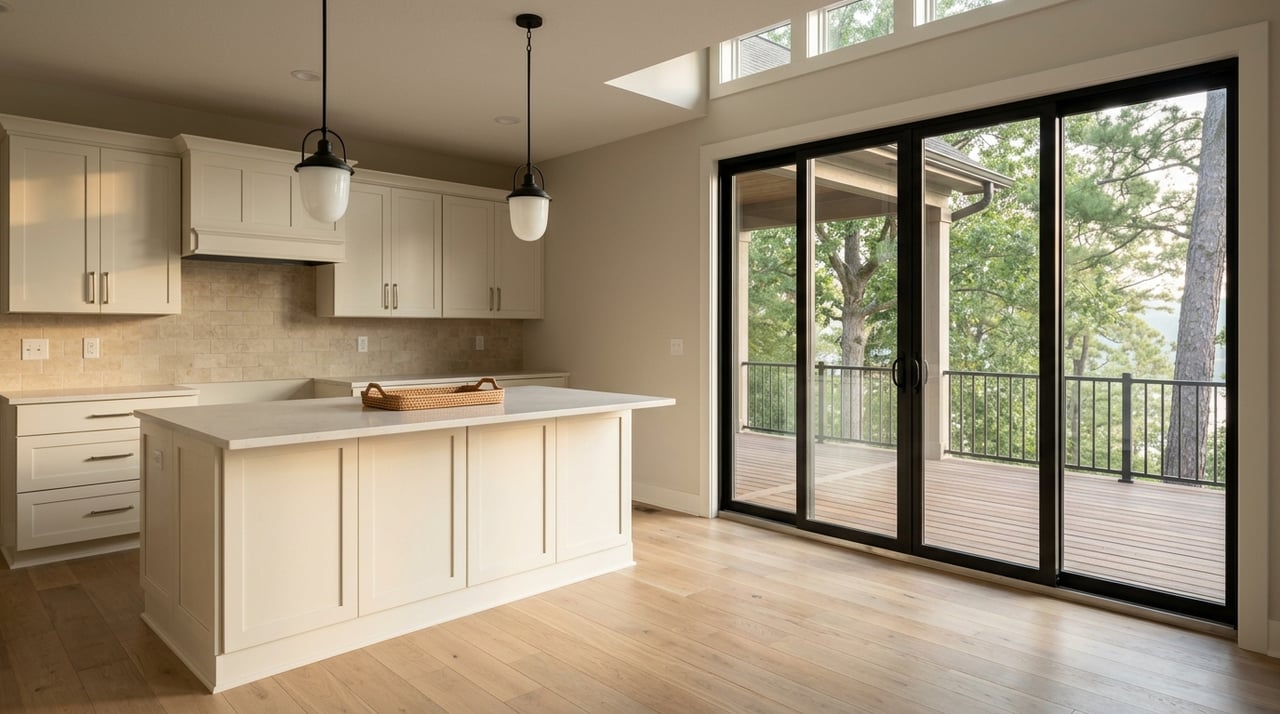
In a Table Rock home, those rooms should feel bright, open, and move-in ready. You do not need elaborate staging in every corner. Instead, focus on clean lines, simple furniture placement, and a layout that supports the view or outdoor connection whenever possible.
If your living room opens to a deck or patio, make that transition feel intentional. If your kitchen supports entertaining, keep counters as clear as possible. If the primary bedroom has natural light or a seasonal lake view, let that feature lead.
Check dock and shoreline details early
One of the biggest mistakes a lake seller can make is waiting too long to confirm dock and shoreline details. At Table Rock Lake, the U.S. Army Corps of Engineers regulates shoreline use. USACE says boat docks are only allowed in limited development areas, which make up about 10% of the shoreline.
USACE also states that no modification of government property is allowed without a permit. That includes certain vegetation work on Corps property, such as mowing or underbrushing, unless you have prior written approval. If you are thinking about clearing brush to improve photos, verify what is permitted first.
Before your listing goes live, make sure you can clearly answer questions like these:
- Is the dock permitted?
- Is the shoreline location eligible for a dock?
- Is a slip included in the sale?
- Are there recorded access or parking easements tied to the dock?
- Has any shoreline or vegetation work been properly approved?
These questions often come up early, especially with out-of-area buyers who want the lake details spelled out upfront.
Gather dock and access documents
A strong Table Rock listing is not just visually polished. It is also well documented. USACE’s shoreline plan says private docks may be one- or two-slip docks, and community dock transfers can require written approval from a majority of slip owners.
Transfer paperwork may include a signed application, proof of ownership transfer, and updated dock-owner information. The shoreline plan also states that recorded access and parking easements must be filed in the county recorder’s office and attached to the property deeds when new community docks are placed or slips are added or relocated.
A practical pre-listing packet may include:
- Dock permit or permit history
- Slip transfer paperwork, if applicable
- Current dock-owner information
- Recorded easement or access documents
- Community dock association records, if applicable
If a slip or dock has changed hands, USACE says the seller and buyer should notify the dock contact and provide a bill of sale for the slip along with the boat registration certificate for the boat to be moored there. Having these records ready can save time and reduce confusion during negotiations.
Review septic and wastewater records
For many lake properties, wastewater documentation is just as important as dock paperwork. Taney County states that its onsite permitting program follows Missouri law and Department of Health and Senior Services rules. It also says property owners with less than three acres, plus any property bordering a Corps-of-Engineers or public-utility-controlled body of water regardless of parcel size, must obtain an onsite permit.
Missouri DHSS says a permit is generally required before installing or repairing most onsite wastewater systems. It also notes that some counties may require an inspection or evaluation for every real estate transaction.
Before listing, it is wise to gather:
- Septic permits
- Repair records
- Inspection or evaluation reports
- Any recent service documentation
Missouri DHSS notes that a lender or buyer may request an onsite system inspection or evaluation. Even when the report does not trigger a repair, it can still help all parties understand the system and move forward with more confidence.
Plan ahead for private well information
If your property uses a private well, buyers may want recent water test results. Missouri DHSS recommends testing private drinking well water at least once a year and anytime the well is serviced or the water changes in appearance, smell, or taste.
DHSS also notes that it does not provide private well testing specifically for real estate transactions. That means planning ahead matters. If you wait until a buyer asks, you may add unnecessary delay to the process.
Recent well documentation can help answer a common buyer concern before it becomes a negotiation issue. It also shows that you have taken routine property care seriously.
Locate flood and elevation documents
If your property is in or near a mapped flood area, it may help to locate an elevation certificate before the home hits the market. FloodSmart guidance says an elevation certificate can help verify local flood-safety requirements and may be needed in higher-risk flood areas. It can also help insurers assess flood risk.
For lakefront and near-lake properties, this kind of information can give buyers a clearer picture of the property’s setting. You may not need it in every case, but if it exists, having it ready can make your listing feel more complete and better organized.
Build a simple pre-listing checklist
The strongest Table Rock pre-listing plan is usually the simplest one. You want buyers to understand the home, the lake access, and the property records without having to piece the story together themselves.
Here is a practical checklist to work through before photos and showings:
- Deep clean the interior and exterior touchpoints
- Remove clutter from living areas, closets, garage spaces, and dock storage
- Stage the living room, kitchen, and primary bedroom
- Take current photos of the view, deck, patio, dock, and shoreline path
- Confirm dock permit and slip details
- Gather easement, access, and community dock records
- Collect septic permits, repair records, and any inspections
- Arrange recent private well test results if applicable
- Locate warranties, manuals, and records for systems staying with the home
- Find any flood or elevation documents that may help buyers
When you prepare both the property and the paperwork, your listing feels easier to trust.
What today’s buyers want to see
Today’s buyers want clear information, strong presentation, and fewer surprises. On Table Rock Lake, that means your home should feel clean and cared for, your outdoor spaces should be shown accurately, and your dock and utility details should be ready to review.
This is especially true for second-home and out-of-market buyers who may make decisions from listing photos and documents before they ever visit in person. A clean interior gets their attention. Accurate lake details help them take the next step.
If you are preparing to sell, a broker-led strategy can help you present the full property story with more clarity from day one. When you are ready for tailored guidance on positioning your Table Rock Lake home for today’s market, connect with Dean Coder.
FAQs
What should you clean first before listing a Table Rock Lake home?
- Start with windows, floors, walls, lighting, baseboards, and high-visibility outdoor areas like decks, patios, and entry points. NAR also recommends decluttering before photos and showings.
What documents should you gather for a Table Rock dock or slip?
- Helpful records include the dock permit or permit history, slip transfer paperwork, dock-owner information, recorded access or parking easements, and any applicable community dock records.
What should you know about shoreline work at Table Rock Lake?
- USACE says no modification of government property is allowed without a permit, and vegetation work such as mowing or underbrushing on Corps property requires prior written approval.
What septic records matter when selling a home in Taney County?
- Buyers may ask for septic permits, repair history, and any inspection or evaluation reports. Taney County and Missouri DHSS both make wastewater documentation important for many lake properties.
What well information should you prepare for a Table Rock home sale?
- If the home uses a private well, recent water test results can be helpful. Missouri DHSS recommends annual testing and testing after service or noticeable changes in the water.
What rooms matter most when staging a lake home for buyers?
- NAR’s staging research says the living room, primary bedroom, and kitchen matter most, with the living room often being the top priority.