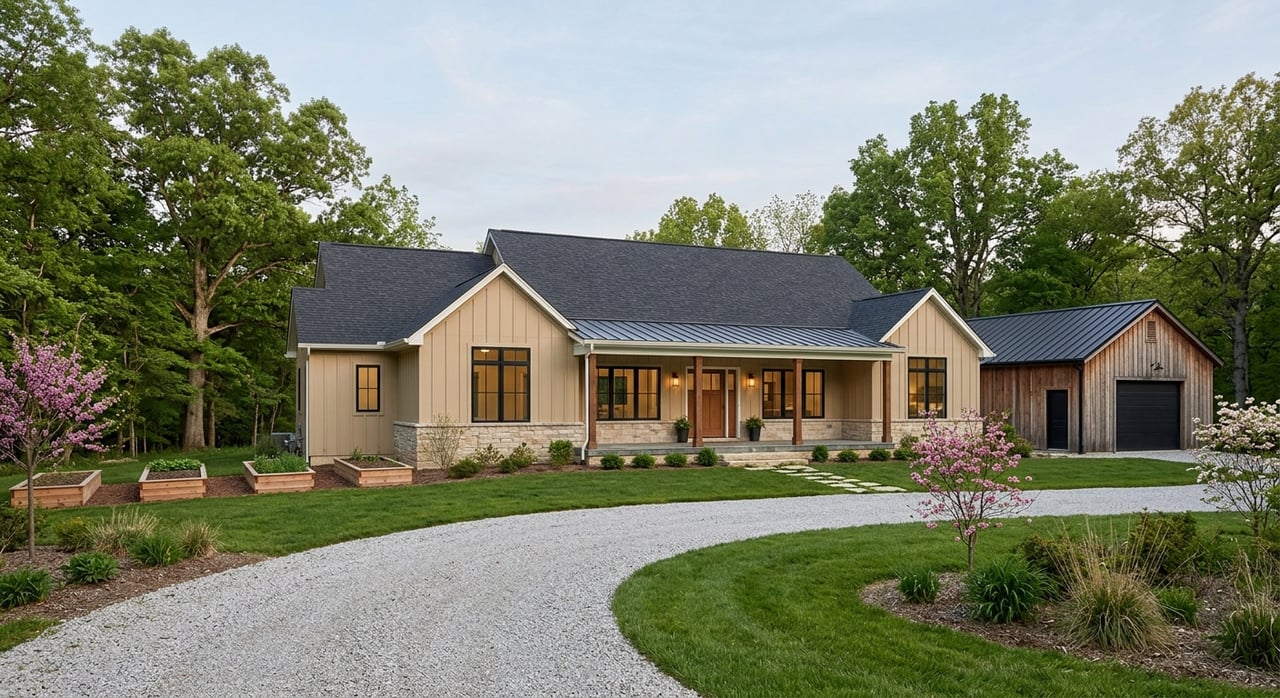
If you are dreaming about a little more space, Spokane, Missouri may be worth a closer look. Small acreage can give you room for a garden, a shop, a few animals, or simply more privacy, but it also comes with practical questions about zoning, utilities, access, and build plans. This guide will help you understand what hobby farms and small-acreage living near Spokane can really look like, and what to check before you buy. Let’s dive in.
Why Spokane appeals to acreage buyers
Spokane is not a typical subdivision-lot market. Current land listings in the area point more toward acreage opportunities, with examples ranging from about 4.8 acres to over 22 acres in Spokane and a wider Christian County mix that includes parcels from roughly 3 acres to more than 76 acres.
For many buyers, that means you may have better odds of finding land that fits a hobby-farm lifestyle instead of a tightly packed neighborhood setting. Based on current inventory, a practical starting point for many buyers is about 3 to 10 acres, though larger tracts are also common.
What “small acreage” often means here
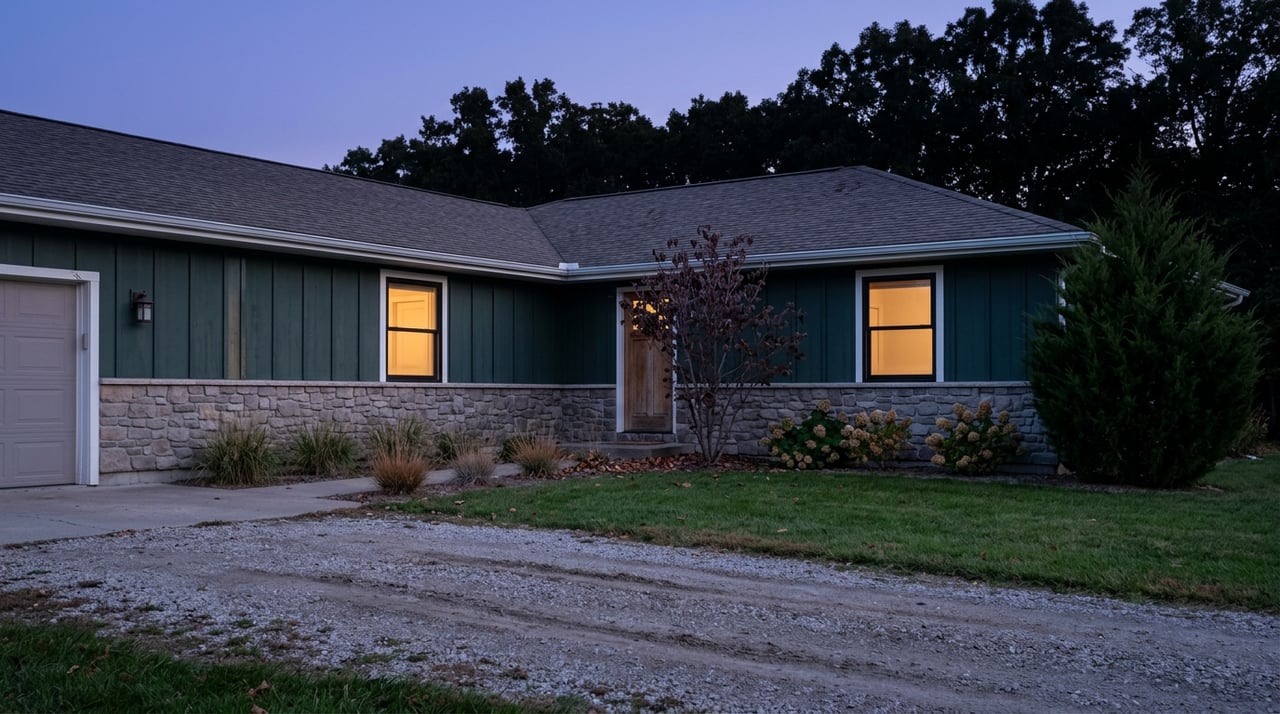
In the Spokane area, small acreage can support many different goals. You might want space for a garden, a pond, fenced pasture, a barn, hay storage, or a shop. Local listings already reflect those kinds of features, which gives you a realistic picture of how land is being used nearby.
Christian County also defines agriculture broadly. That includes farming, dairying, pasturage, apiculture, horticulture, floriculture, viticulture, and animal and poultry husbandry, along with accessory uses tied to agricultural products.
Zoning matters more than many buyers expect
Most Spokane-area acreage buyers are looking in unincorporated Christian County, where the county handles zoning, subdivision, stormwater, and FEMA floodplain matters. That makes county-level research one of the first steps in any land search.
If you want more than a basic country homesite, zoning details become especially important. A property that looks ideal online may still have road frontage, access, or use limitations that affect your plans.
A-1 Agriculture basics to know
For buyers considering agricultural use, the A-1 Agriculture District is a key category to understand. In that district, tracts must have at least 200 feet of road frontage, or a 200-foot minimum dimension if there is no frontage.
That may sound like a small detail, but it can shape whether a parcel works for your long-term goals. If you are comparing multiple tracts, this is the kind of rule that can quickly separate a good fit from a frustrating one.
Some uses have extra acreage thresholds
Certain larger-scale or more intensive uses require more land. In Christian County, commercial kennels require at least 5 acres, while riding academies and public stables require 20 acres.
CAFOs may be conditionally permitted in A-1, M-1, or M-2 districts. For most hobby-farm buyers, the bigger takeaway is simple: if your plan goes beyond casual residential use, you should confirm that the property supports it before moving forward.
Agricultural structures may be treated differently
Christian County zoning regulations state that agricultural uses and structures incidental to agriculture do not require a zoning certificate, except for dwellings. That can be helpful for buyers planning true agricultural use.
Still, if you plan to build a house, barn, shop, or utility improvements, you should not assume everything is exempt. The county’s building rules still require permits for many types of construction and system work.
Utilities and infrastructure deserve a hard look
One of the biggest differences between subdivision living and acreage living is infrastructure. In unincorporated Christian County, you will often need to think through water, wastewater, electric service, and road access in a much more hands-on way.
This is where many buyers either gain confidence or uncover deal-breaking issues. A pretty parcel is only part of the story if you also need a well, septic system, driveway permit, and utility connection.
Water is often a private-well question
Christian County’s comprehensive plan says the county does not provide public water services. In unincorporated areas, most properties rely on private wells.
That means you should ask early whether the property already has a well, whether a new well will be needed, and what the site conditions may mean for placement. Missouri DNR regulates well construction to protect groundwater, and private-well owners must keep the wellhead at least one foot above grade and maintain setbacks from septic systems, fuel tanks, chemicals, and animal feedlots.
Septic is common on acreage
Most residents in unincorporated Christian County rely on septic tank disposal systems. If you are buying raw land or a property with an older system, septic feasibility should be one of your first due-diligence items.
The county says wastewater installers must be county certified and state certified. The county also advises buyers to check with Environmental staff to determine whether sewer and water are available or whether a well and septic system will be required.
Electric service is part of the planning process
Electric access may seem straightforward, but it still needs to be confirmed. The county’s comprehensive plan lists White River Valley Electric Cooperative among the electric providers serving the county, and the Missouri PSC utility locator identifies Spokane with White River Valley Electric Cooperative as the electric provider.
If you are buying vacant land, it is smart to verify service availability and how power would reach the building site. Distance from existing service can affect both cost and timeline.
Access can be as important as acreage
Acreage buyers sometimes focus so much on the land itself that they overlook the entrance. In Christian County, driveway and culvert permits are handled through Planning and Development, while the Highway Department provides driveway and access permits and road standards.
The county also has six special road districts that operate outside county authority. So if a road question comes up, you may need to confirm which office actually has jurisdiction over the property.
Building on land near Spokane
If your acreage purchase includes plans for a home, barn, shop, or major improvement, build-readiness should be part of your evaluation. Even when a property looks open and usable, permits and site conditions still matter.
Christian County building rules say permits are required before construction, alteration, repair, movement, or demolition of a structure. Permits are also required when electrical, gas, mechanical, or plumbing systems are installed or changed.
Site work can trigger extra review
If a property will be graded, cleared, or otherwise disturbed in a non-agricultural way, Christian County requires a soil erosion control permit. For sites over 1 acre, the county wants a copy of the Missouri DNR land-disturbance permit.
This is especially important for buyers planning a new homesite, shop pad, or long driveway. Land that looks simple on the surface can involve more steps once the dirt work begins.
Floodplain status should be checked early
Christian County also requires floodplain development permits for work in mapped Special Flood Hazard Areas. If you see a creek, low ground, or a pond site, do not assume it is automatically an issue, but do not ignore it either.
The county notes that pond construction is treated as agricultural unless soil leaves the property or the work occurs in the floodplain. That distinction can matter if your dream setup includes water features or significant site work.
A practical Spokane acreage checklist
Before you make an offer on a hobby farm or small-acreage property near Spokane, it helps to follow a simple research sequence. These steps line up with how Christian County directs landowners and buyers to investigate new projects.
Start with these checks
- Confirm the parcel’s zoning using county GIS and assessor tools.
- Ask the county whether the tract has the required road frontage or minimum dimensions.
- Check whether a driveway or access permit will be needed.
- Verify water-source and septic feasibility with county health or environmental offices.
- Confirm electric service with the utility provider.
- Review floodplain status before clearing, grading, or building.
Do not forget 811 before digging
If you move forward with fences, utility lines, pads, landscaping, or other digging, Missouri law requires a call to 811 so underground facilities can be marked. It is a simple step, but it protects both safety and your project timeline.
Is Spokane a good fit for hobby-farm living?
For the right buyer, Spokane can be a strong match for hobby farms and small-acreage living. The market leans toward land rather than subdivision lots, and the broader area offers parcel sizes that can support gardens, pasture, outbuildings, and country living goals.
The key is to approach the search with clear eyes. Acreage can offer flexibility, but it also asks you to pay attention to zoning, frontage, wells, septic, electric service, access, and floodplain conditions before you commit.
If you want guidance as you compare land, homes on acreage, or build-ready opportunities near Spokane and the surrounding area, Dean Coder offers broker-led, local insight to help you make a confident move.
FAQs
What size hobby farm is common near Spokane, Missouri?
- Based on current Spokane and Christian County land listings, many buyers may start by looking at roughly 3 to 10 acres, though larger tracts are also common.
What zoning should you check for Spokane, Missouri acreage?
- Many Spokane-area properties fall under unincorporated Christian County zoning, so you should confirm the parcel’s zoning with the county planning office or county GIS and assessor tools.
Do Spokane, Missouri acreage properties usually have public water?
- In unincorporated Christian County, public water is generally not provided by the county, and many properties rely on private wells.
Do Spokane, Missouri hobby farms usually need septic systems?
- Many unincorporated Christian County properties use septic tank disposal systems, so septic feasibility is an important part of due diligence.
What road frontage is required in Christian County A-1 Agriculture?
- In the A-1 Agriculture District, tracts must have at least 200 feet of road frontage, or a 200-foot minimum dimension if they do not have frontage.
Do you need permits to build on small acreage near Spokane, Missouri?
- Yes. Christian County requires permits before construction, alteration, repair, movement, or demolition of a structure, and for installation or changes to electrical, gas, mechanical, or plumbing systems.