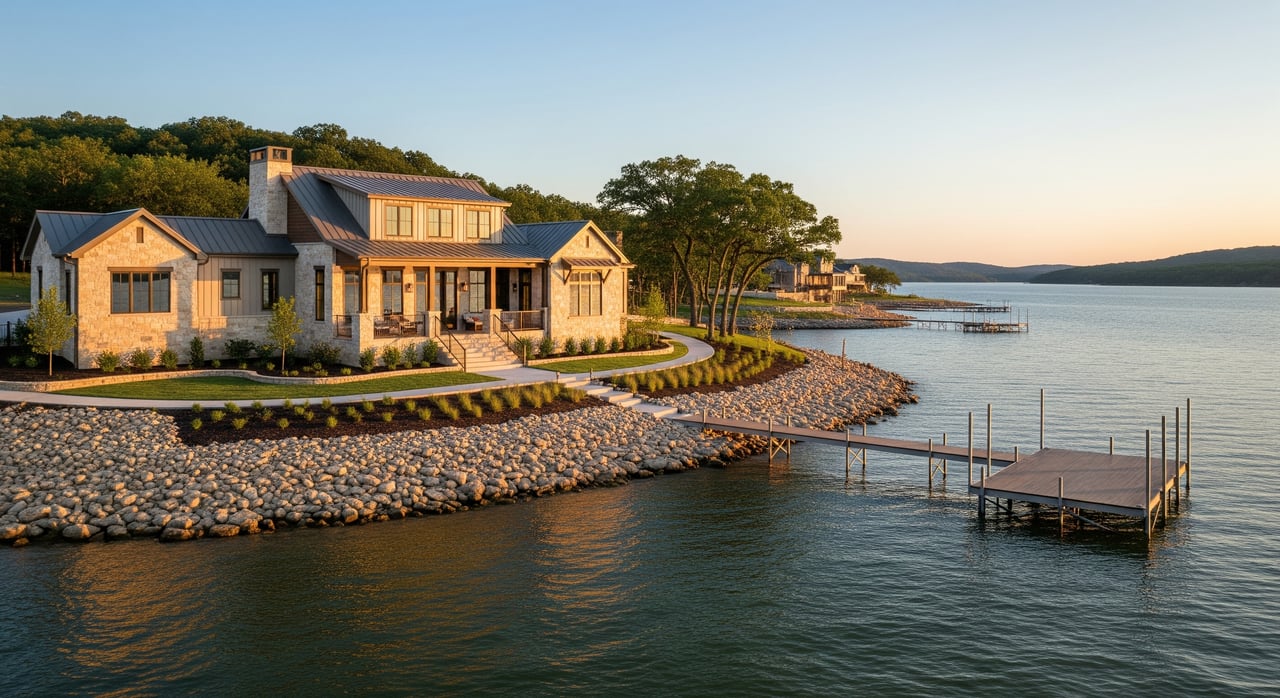
Buying near Table Rock Lake is exciting, but HOA and POA rules can shape your day-to-day life more than you think. You want to enjoy the lake without surprises about docks, short-term rentals, or exterior approvals after you close. In this guide, you’ll learn how Kimberling City associations typically work, what rules are common, how dues are set, and which documents to review before you buy. Let’s dive in.
HOA vs POA in Kimberling City
Homeowners associations and property owners associations function similarly. Both are private, member-run organizations that enforce recorded covenants and manage common areas. The name usually comes from the original developer. You might see HOA, POA, or a combined label, and they operate under the same basic idea: shared rules and shared costs.
In lake settings around Kimberling City, you often find a master or umbrella association that oversees major assets like private roads, marinas, common docks, and gates. Within that, there may be smaller neighborhood associations with their own dues and rules, especially for condos or villa clusters. If you are considering a condominium, know that condo associations follow a different legal framework and typically handle exterior maintenance and roofs.
Every association is guided by recorded documents. Expect to review the Articles of Incorporation, Bylaws, Covenants, Conditions & Restrictions (CCRs), Rules & Regulations, and Architectural Guidelines. A board of elected owners runs the association, sometimes with committees such as an Architectural Review Board (ARB) or Architectural Control Committee (ACC). Many communities also hire a professional management company.
Lake community rules to expect
Boats, docks, and shoreline basics
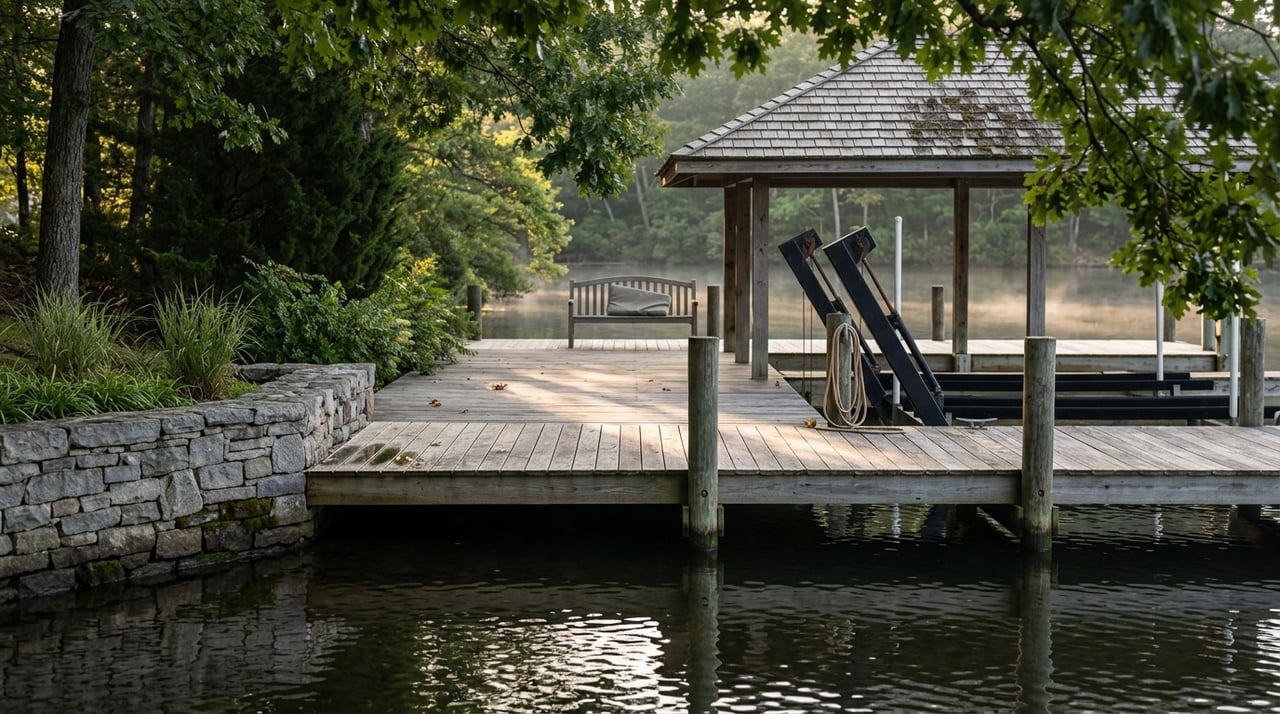
Boat access is one of the biggest variables. Some communities own marinas and assign or rent slips. Others allow private slip ownership or separate slip transfers. Rules often cover slip allocation, boat size limits, lighting, mooring lines, and maintenance responsibilities. If a slip matters to you, confirm whether it is included, assigned, transferable, or leased.
Most associations address how and where you can store boats and trailers. You may see restrictions on parking in driveways, rules for community storage lots, and seasonal storage limits. Near community beaches or coves, expect no-wake policies and guidance on personal watercraft to protect swimmers and shorelines.
On Table Rock Lake, docks and shoreline work may involve more than the HOA. The U.S. Army Corps of Engineers and state agencies can require permits for docks and certain shoreline activities. Before you buy, verify the status of any dock, slip, or shoreline improvements and whether permits are in place.
Short-term rentals: what varies
Short-term rental policies differ widely. Some associations allow vacation rentals with few limits. Others set rules like minimum stays, owner registration, occupancy caps, or parking limits. A number of communities prohibit short-term rentals.
If you plan to host guests, confirm whether rentals are allowed, what the minimum rental length is, and what steps owners must take to register or comply. You should also check with Kimberling City and Stone County for any business license or lodging tax requirements that may apply. Associations can enforce their rules through fines and other penalties, so clarity up front is important.
Exterior changes and ACC approvals
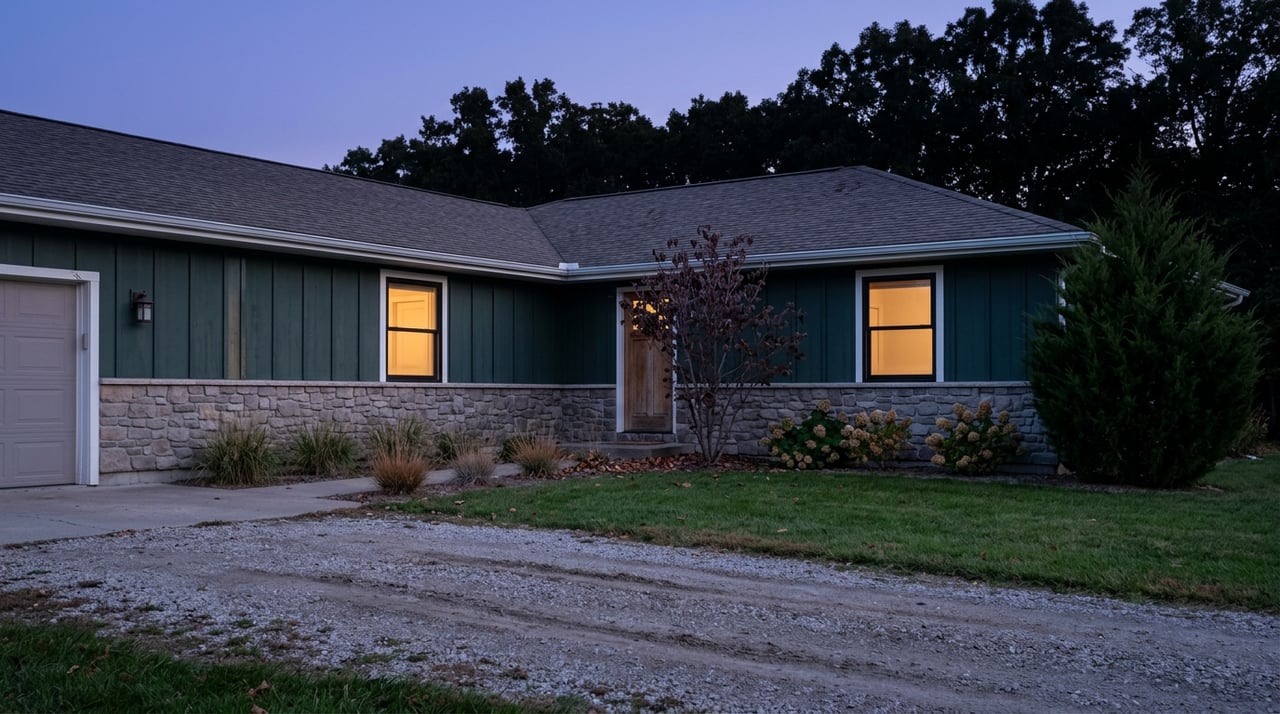
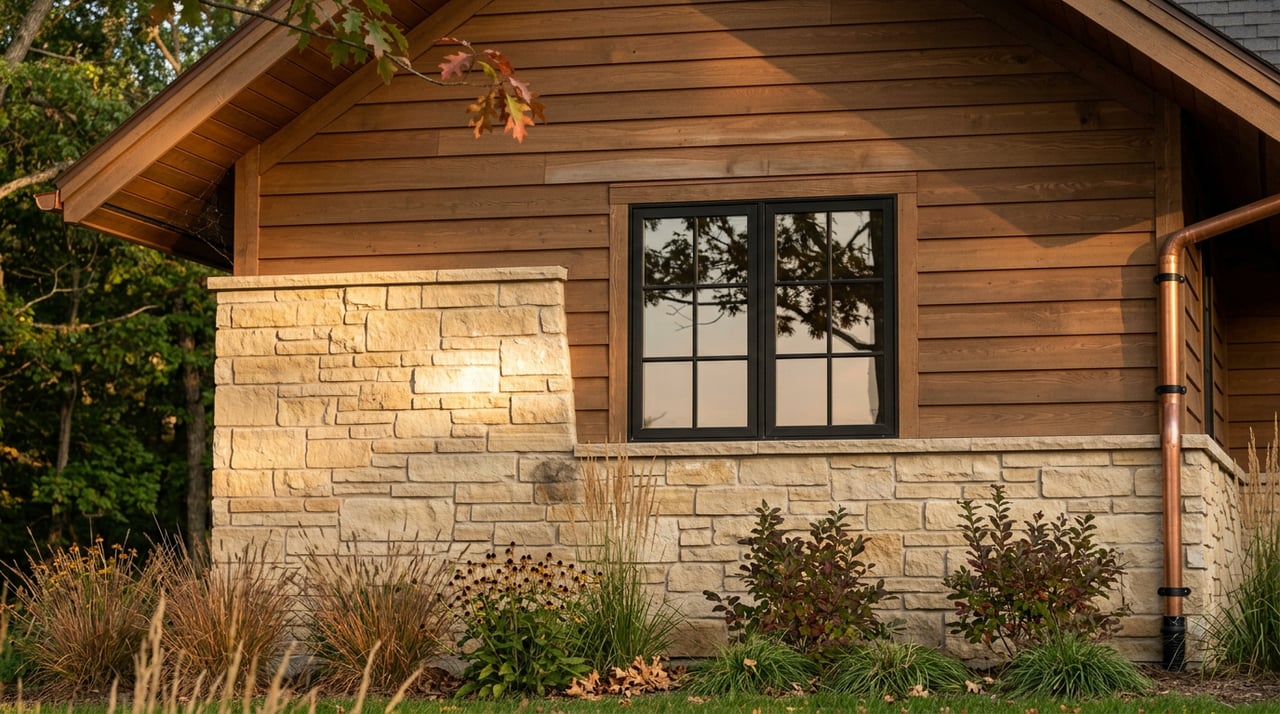
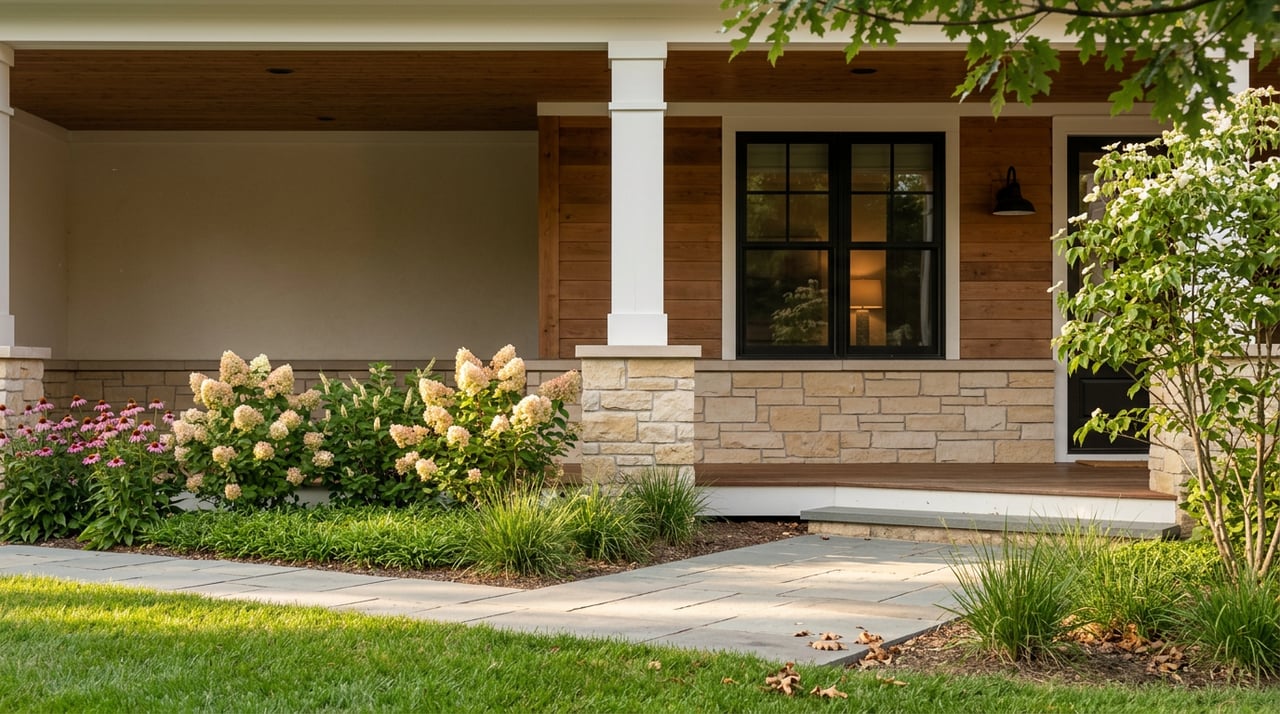
Most CCRs require prior approval for exterior changes. You will typically submit an application to the ARB or ACC for items like paint colors, roofing, siding, decks, additions, fences, windows, solar panels, satellite dishes, lighting, and landscaping. The process usually includes a submission with plans and a timeline for the committee to respond.
Expect standards focused on height, setbacks, drainage, and overall community design. On lake lots, limits on impervious surfaces and vegetation removal can be strict due to septic and runoff concerns. If work begins without approval, associations may issue stop-work notices, fines, and in some cases require you to remove the unapproved change at your expense.
Dues, assessments, and financial health
What drives fees
Dues depend on what the community maintains. Marinas, private beaches, pools, and shoreline care can raise costs. Privately maintained roads, shared sewer or septic systems, lagoons, and professional management also affect budgets. Insurance for docks and pools, as well as utilities for common areas, is another driver.
Communities with strong reserve funding may have slightly higher regular dues but face fewer special assessments. Associations without adequate reserves can see sharp increases or special assessments when big repairs or insurance hikes hit.
How fees are structured
Associations can bill monthly, quarterly, or annually. The range varies widely in mixed lake communities. Low-amenity neighborhoods may have modest annual or quarterly dues. Amenity-rich, marina-focused communities with gates and full facilities usually cost more.
Fee levels can change quickly when repairs or insurance costs rise. Always budget for possible fluctuations and ask about the recent history of increases.
Financial documents to review
You can gauge financial health by reviewing a few key items:
- Current budget and recent financial statements, preferably reviewed or audited
- Reserve study and reserve fund balance
- History of special assessments in the past 3 to 5 years
- Management contract and third-party fees
- Insurance policy declarations for common areas and board coverage
- Delinquency rates for owner dues
- Minutes from recent board and annual meetings
These documents help you understand if dues are stable, if reserves are adequate, and whether any big projects or claims are looming.
Permits and local oversight
City, county, and Corps touchpoints
Associations do not operate in a vacuum. In Kimberling City and Stone County, you may need to comply with municipal codes for building permits, septic or sewer connections, and business licensing. On the water, the U.S. Army Corps of Engineers manages Table Rock Lake, and Missouri state agencies can have a role in shoreline and environmental issues.
As a buyer, confirm which approvals apply to your specific lot and improvements. Docks, shoreline stabilization, and certain exterior work can require both association approval and outside permits. Verify compliance before you close.
Buyer due diligence checklist
Use this quick checklist to reduce surprises and protect your lake lifestyle goals:
- Obtain the full association document set: CCRs, Bylaws, Articles, Rules, Architectural Guidelines, and all amendments.
- Request a resale certificate or estoppel letter confirming current dues, delinquencies, and any pending special assessments.
- Review the current budget, reserve study if available, and the reserve balance.
- Ask for the last 6 to 12 months of board meeting minutes and the most recent annual meeting minutes.
- Confirm short-term rental policy, owner registration steps, occupancy limits, and enforcement history.
- Verify dock or slip status, including whether the slip transfers, is assigned, or is leased separately.
- Check with city and county offices about building permits, septic or sewer requirements, and any rental licenses or taxes that may apply.
- Review association insurance coverage for marinas, docks, and amenities.
- Ask whether any CCR amendments are pending and whether dues increases are scheduled.
- Confirm whether there are any existing violations or fines on the property you plan to buy.
How rules affect lifestyle and resale
The right association can enhance your experience and protect property values. If you want robust amenities and a well-kept marina, higher dues may be a fair tradeoff for maintenance, insurance, and reserves. If low carrying costs matter most, a simpler neighborhood with fewer amenities could fit better.
Your plans also matter. If you want to run short-term rentals, prioritize communities that allow them and understand the guest rules. If you plan to remodel or add outdoor living space, review the architectural process and timelines before closing. Aligning your lifestyle with the community’s rules helps you enjoy the lake and supports a smoother resale when you are ready.
Work with a local guide
Evaluating HOA or POA details is simpler when you have a local expert who understands lake rules, dock permits, and how different Kimberling City communities operate. If you are weighing several neighborhoods, we can help you compare association structures, dues, rental policies, and dock access so your choice fits your goals.
Have questions or want to review documents for a specific property? Connect with Dean Coder for clear, local guidance and a plan that meets your lake lifestyle.
FAQs
What is the difference between an HOA and a POA in Kimberling City?
- Both are private associations that enforce CCRs and manage common areas; the name varies by developer, and they function similarly for buyers.
How do Kimberling City associations handle boat slips on Table Rock Lake?
- Communities may own marinas or allow private slips; rules typically cover allocation, size limits, and maintenance, and some docks require outside permits.
Are short-term rentals allowed in Kimberling City HOA or POA communities?
- Policies vary by community; you may see prohibitions, minimum stays, owner registration, or guest rules, so always confirm the CCRs and any local requirements.
What approvals are needed for exterior changes in lake communities?
- Most associations require ARB or ACC approval for items like paint, roofs, decks, additions, fences, and landscaping, with penalties for unapproved work.
Which financial documents should I request before buying into an HOA or POA?
- Ask for the current budget, recent financials, reserve study and balance, insurance details, special assessment history, and recent meeting minutes.
Can HOA dues or rules change after I buy in Kimberling City?
- Yes. Boards can adjust dues per governing documents and budgets, and CCR changes usually require member votes; always ask about planned increases or amendments.