You want a Branson place that fits your life, not the other way around. Should you choose the low‑maintenance ease of a condo or the space and control of a single‑family house? The answer depends on how you plan to use the property, your tolerance for maintenance and surprise costs, and whether boat access or short‑term rental flexibility matters to you.
In this guide, you’ll learn how condos and houses compare in Branson and Taney County across maintenance, costs, financing, insurance, HOA rules, storage and parking, boat access, and rental use. You’ll also get a clear due diligence checklist so you can buy with confidence. Let’s dive in.
Start with how you’ll use it
How you plan to live in the property drives the best fit.
- Retiree or downsizer: You may value low exterior maintenance and proximity to theaters and downtown. A condo can reduce day‑to‑day upkeep and include amenities.
- Full‑time household: If you want flexible space, a garage, and a private yard, a single‑family home usually serves better.
- Weekend or second‑home owner: For lock‑and‑leave ease near attractions or the lakes, condos and townhomes are often the most convenient.
- Investor: Both condos and houses can work for short‑term rentals, but success depends on location, HOA rental rules, and permitting.
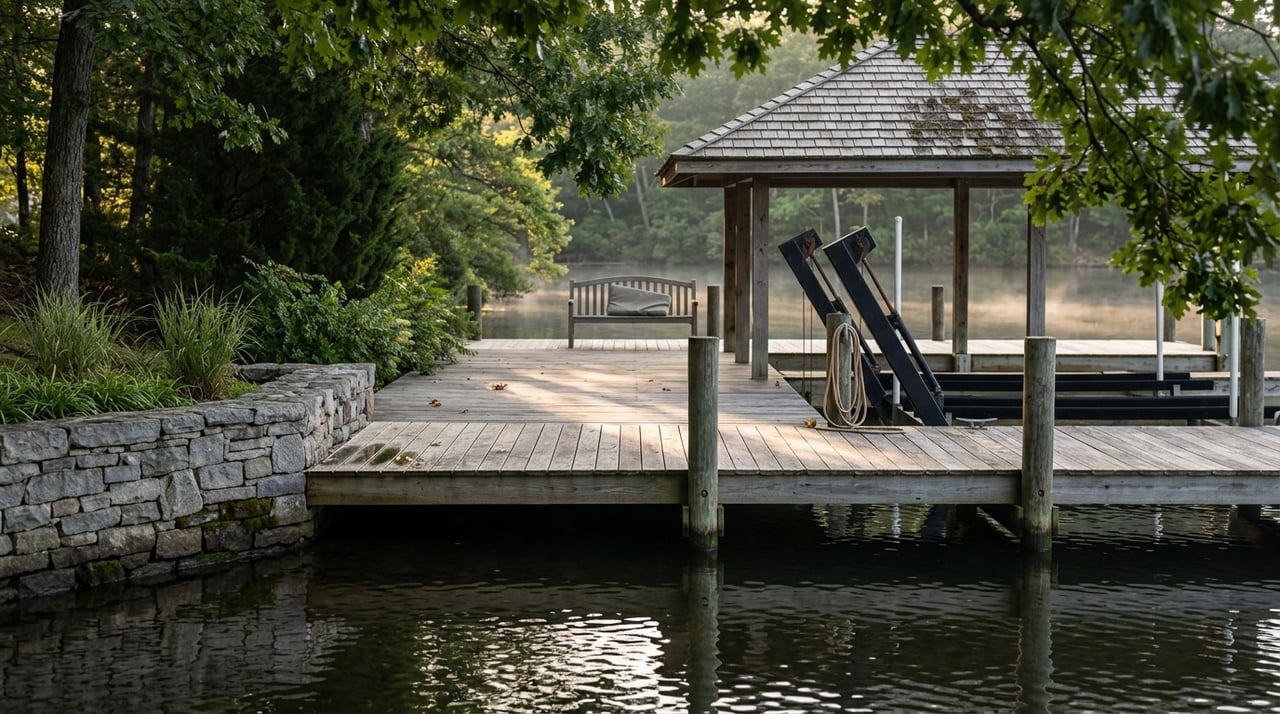
- Boater or waterfront enthusiast: A single‑family home with a private dock or a community with assigned slips can be ideal. Some condo communities offer slips or nearby marina access, so verify the details.
Maintenance vs control
Think about how much work you want to handle and how much control you want.
- Condos: Many exterior tasks are handled for you. Typical HOA responsibilities include common areas, exterior elements, landscaping, trash, amenity upkeep, and parts of building insurance. You trade some control over timing and vendors for convenience.
- Houses: You choose the contractors and the schedule. You also take on all exterior upkeep, from roofing to driveways, which can mean bigger one‑time repairs.
If you prefer predictable maintenance with less hands‑on work, condos shine. If you want full say over improvements and timing, a house fits better.
Monthly costs and risk
Both condos and houses have purchase and ongoing costs, but the patterns differ.
- Shared costs in condos: HOA dues are a predictable monthly expense that may bundle exterior maintenance, landscaping, trash, building insurance for common elements, amenities, and sometimes shared utilities. Dues can increase, and special assessments can occur if reserves are low.
- Variable costs in houses: You may have fewer mandatory dues, but you carry more variability in repair bills. You decide when to replace the roof or HVAC, but those costs are yours.
- Utilities: Some condos include water, sewer, or other utilities in dues. Houses are typically separate. Confirm what is included and how billing works.
Plan for routine maintenance and set aside a reserve for bigger items. For condos, review the HOA’s reserve study and history of assessments to gauge risk. For houses, consider the age of major systems and expected replacement timelines.
Financing basics
Financing can differ for condos compared to single‑family homes.
- Condos: Lenders often review the condo project itself. FHA, VA, and conventional loans may require project approval and certain owner‑occupancy ratios. If you plan to use FHA or VA, check approval status early.
- Houses: Underwriting typically follows standard mortgage guidelines without project approvals.
- Cash purchases: Cash buyers face fewer condo project restrictions, but due diligence still matters.
Talk with a local lender about typical terms for Branson area condos and homes, especially if you plan a low‑down‑payment loan.
Insurance differences
Insurance coverage is structured differently for condos and houses.
- Condos (HO‑6 policy): Your policy usually covers interior finishes, personal property, personal liability, and loss of use. The HOA’s master policy typically covers common elements and parts of the building shell. Confirm whether the master policy is “full rebuild” or “bare walls out,” and check the master policy deductible. A large deductible can sometimes be allocated to owners through special assessments.
- Houses (HO‑3 policy): Your policy covers the structure, other structures like a garage or shed, personal property, personal liability, and loss of use.
- Flood and wind: Waterfront and near‑shore properties may need separate flood insurance. Check FEMA flood maps and local floodplain designations for Taney County as part of your due diligence.
- Short‑term rental coverage: If you plan to rent the property short term, standard homeowner or HO‑6 policies may not cover that use. A short‑term rental endorsement or a specialized policy may be required.
Get quotes from local insurance agents to compare costs and coverage specifics for HO‑6 vs HO‑3 policies, and to evaluate any flood insurance needs.
HOA rules to review
If you are considering a condo, study the governing documents so there are no surprises.
- Documents to request: CC&Rs, bylaws, rules and regulations, recent meeting minutes, current budget, reserve study, insurance certificate, and a history of special assessments.
- Key questions to ask:
- What exactly do dues cover, including exterior items and utilities?
- What are the current monthly dues, and have they increased recently?
- Are reserves adequately funded, and is there an up‑to‑date reserve study?
- Any pending or recent special assessments or major projects?
- What are the rental rules and minimum rental periods?
- What are the pet, parking, and guest policies?
- Who manages the HOA and how responsive are they?
Well‑documented reserves and clear rules are good signs. Limited reserves and frequent assessments can signal risk.
Space, storage, and parking
Storage and parking tend to be simpler with a house, but some condo developments are well‑equipped.
- Condos:
- Storage: In‑unit closets are common. Some projects offer separate storage lockers. Capacity varies, so confirm size and location.
- Parking: Options range from open lots with assigned spaces to covered parking or garages. Ask about guest parking and enforcement.
- Trailers and boats: Many condos restrict trailer or boat parking on site. You may need offsite storage. Verify before you buy.
- Houses:
- Storage: Garages, basements, attics, and sheds offer flexibility.
- Parking: Driveways and garages make daily parking and guest visits easier.
- Boats: Storing a trailer or boat is often simpler on private property, subject to local codes and any neighborhood HOA rules.
If you expect frequent guests, or you own a boat or trailer, map out the parking plan before you go under contract.
Boat access matters
Branson’s two key waterways serve different lifestyles, and access details can decide the right property.
- Table Rock Lake: A large recreational reservoir with marinas, public ramps, and many waterfront properties with docks. It suits power boating and water sports.
- Lake Taneycomo: A colder tailwater known for trout fishing, with a different boating character.
What to verify if you own a boat:
- Slips and docks: Does the condo or community include boat slips or dock access? Are slips assigned, leased, or wait‑listed? Are there separate fees?
- Trailer parking: Are trailers allowed on site, or must they be stored offsite?
- Ramp and marina proximity: Consider seasonal congestion and travel time.
- Flood and shoreline rules: Check flood elevation considerations and any permitting requirements for docks.
- Title and rights: Review title and plats for shoreline or mooring rights where applicable.
Many boat owners prefer homes with garages and on‑site trailer storage. Waterfront single‑family properties can command premiums and may carry higher insurance or flood considerations, so weigh access against cost and risk.
Short‑term rental fit
Branson’s tourism base creates seasonal rental demand. Both condos and houses can work, but rules and operations matter.
- Rules to check:
- City of Branson and Taney County requirements for business licensing and lodging tax registration, as applicable.
- HOA rental policies, including minimum rental periods and any restrictions.
- Insurance endorsements required for short‑term rental use.
- Safety and code standards, including detectors, egress, and occupancy limits.
- Operational realities:
- Expect increased wear, plus cleaning and turnover logistics.
- Condos may have stricter enforcement and neighbor oversight.
- If you will not be local, consider professional property management for bookings, cleaning, and tax remittance.
Confirm the full compliance picture before you acquire a property with rental plans.
Due diligence checklist
Use this list to stay organized during your purchase.
- Documents to request:
- Full HOA packet: CC&Rs, bylaws, rules, budget, reserve study, insurance certificate, last 12–24 months of meeting minutes, any litigation disclosures, and a statement of outstanding assessments.
- Seller disclosures and any recent inspection reports.
- Title commitment showing easements and any waterfront rights.
- On‑site review:
- Roof, exterior envelope, parking facilities, elevators if present, pool, and mechanical systems.
- Evidence of water intrusion, foundation movement, or deferred maintenance.
- Noise sources: proximity to the Branson Strip, theaters, or seasonal events.
- Financing and insurance:
- Lender acceptance of the condo project, plus FHA, VA, or conventional approval status if relevant.
- Master policy coverage and deductible for condos; HO‑6 or HO‑3 quotes and flood insurance needs.
- Boat and storage specifics:
- Slip availability, waiting lists, and fees.
- Trailer rules, parking layout, and guest parking enforcement.
- Short‑term rental compliance:
- City and county registration, lodging tax process, and any licensing.
- HOA rental policies and minimum stay requirements.
- Closing tasks:
- Prorations for HOA dues, transfer fees, and any pending assessments.
- HOA estoppel letter confirming account status and rules.
What fits you?
Match your lifestyle and risk comfort to the property type.
- Choose a condo if you want low‑maintenance living, bundled services, convenient locations near attractions, and you are comfortable with HOA rules and shared decisions.
- Choose a house if you want maximum privacy, a yard, garage space, and full control over improvements and timing, and you accept variable repair costs.
- If boating is central to your life, focus on properties with clear slip or dock access and practical trailer storage. Waterfront houses often offer the most control.
- If short‑term rental income is your goal, filter by locations and HOAs that allow it, and plan for professional management.
Ready to compare real options around Table Rock Lake, Lake Taneycomo, and greater Branson? Get tailored guidance from a local, broker‑led team that lives the lake lifestyle. Reach out to Dean Coder for a clear plan that fits how you want to use your property.
FAQs
What do HOA dues cover in Branson condos?
- Dues often bundle exterior maintenance, landscaping, trash, amenity upkeep, and parts of the building’s insurance; always verify the exact coverage and any included utilities in the HOA documents.
Can I use FHA or VA for a Branson condo?
- Possibly, but the condo project may need approval and certain owner‑occupancy ratios; check approval status and lender requirements early in your process.
Do I need flood insurance near Table Rock or Taneycomo?
- It depends on the property’s flood zone; review flood maps and local floodplain data, then get quotes from insurance agents to confirm coverage and costs.
Are short‑term rentals allowed in Branson properties?
- Rules vary by city, county, and HOA; confirm local licensing and lodging tax steps and check community rental policies, including any minimum stay requirements.
What if I own a boat and trailer?
- Verify slip access, trailer parking rules, proximity to ramps and marinas, and any separate fees; many condos restrict trailers, while houses can offer easier on‑site storage.
How do condo special assessments work?
- If reserves are insufficient for major repairs, HOAs may levy a special assessment on owners; review the reserve study, meeting minutes, and assessment history to gauge risk.