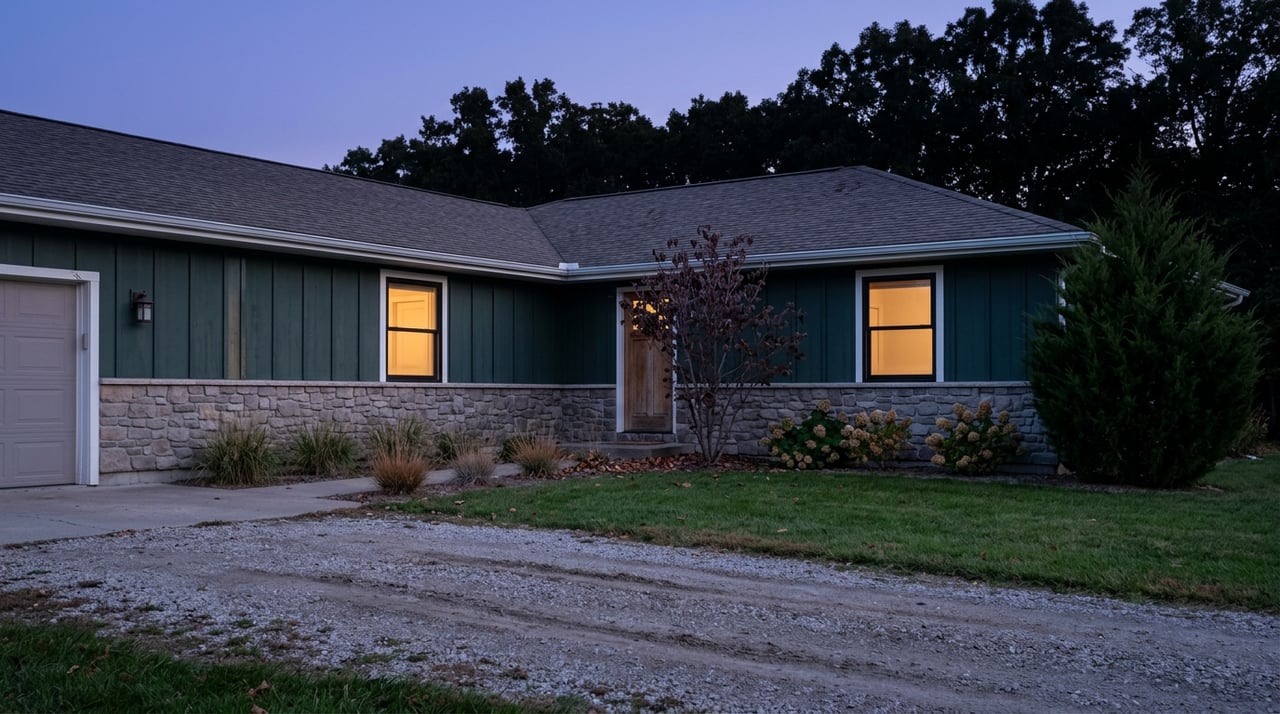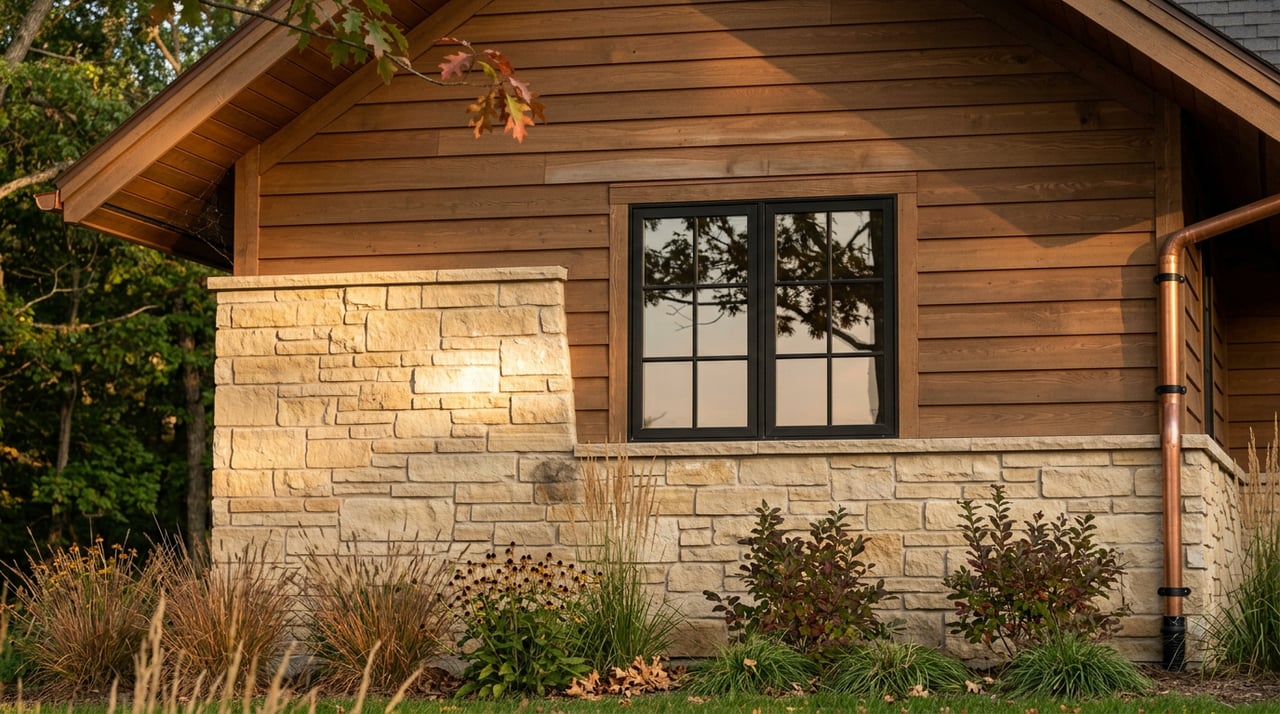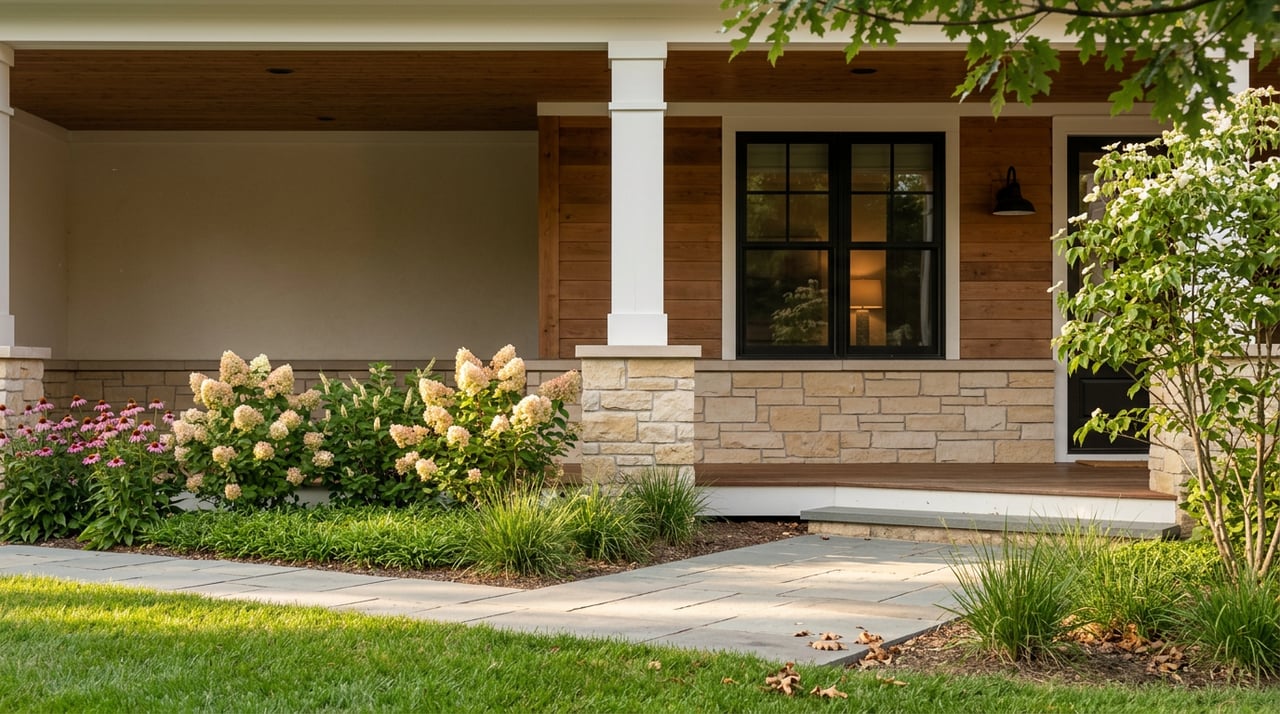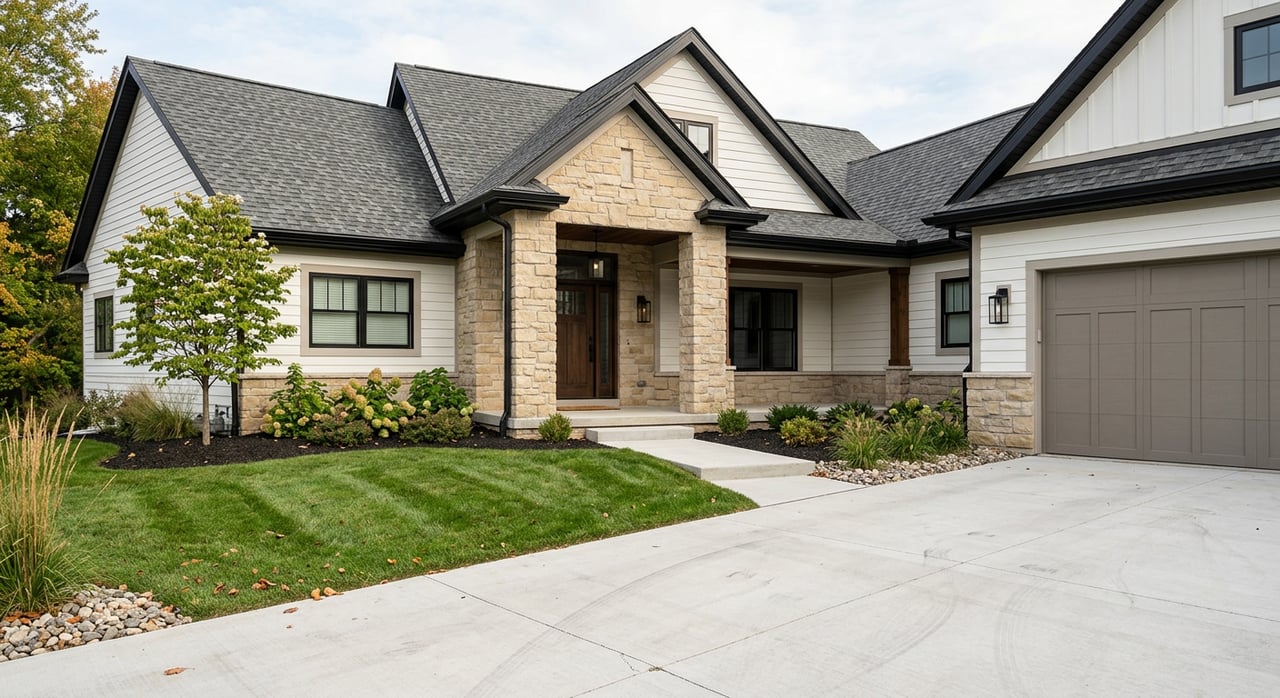
You want the ease, efficiency, and fresh start a new construction home brings. But the process can feel complex, especially when you mix builder contracts, city permits, and dozens of decision points. This guide gives you a clear, local roadmap for buying or building in Nixa, so you can move forward with confidence. You’ll learn how the process works, what the City of Nixa requires, smart financing options, warranty basics, and the key protections to keep on your side. Let’s dive in.
Why buy new in Nixa
Nixa is a growing community in the Springfield metro with steady new-build activity and quick-move-in options. You will find production neighborhoods with plan libraries, semi-custom builders that allow limited changes, and fully custom options on your lot. Many newer neighborhoods use PUDs, plats, and HOAs, so you will want to understand rules and fees before you sign. You can confirm the city’s planning and platting processes through Nixa Planning & Zoning.
When comparing builders, use trusted local resources. The Springfield-area Home Builders Association maintains a directory that can help you identify reputable regional and Nixa-based builders. Start your shortlist with the HBA builder directory.
How the process works
1) Pick a lot and builder
- Tour available subdivisions, lots, and model homes.
- Ask each builder for a standard-features sheet, upgrade list, and sample warranty booklet.
- Verify licensing and insurance, and check references from recent buyers. The HBA directory is a good place to begin your vetting.
2) Sign the purchase agreement and make selections
- Your agreement sets the base price, included features, and timelines for design selections and financing.
- Most builders offer a design center where you choose finishes like cabinets, counters, flooring, and fixtures. Upgrades are usually priced up front and added to your contract.
- Make sure you are using the proper Missouri and new-construction forms. The NAR consumer guide explains typical addenda and protections.
3) Construction, inspections, and updates
- Construction moves from foundation to framing, rough-ins, insulation and drywall, then finishes.
- The City of Nixa enforces the 2018 International Residential Code for one- and two-family homes and the 2017 National Electrical Code. Required inspections include footing, framing, rough-in trades, insulation, gas test, permanent electric, sewer/ditch, and final. See the city’s checklist in the Single-Family permit guide.
- Schedule independent inspections at pre-drywall and again before closing. City inspections check code compliance, while independent inspectors evaluate workmanship and create your punch list. InterNACHI outlines why phase inspections help buyers in its new-construction guidance.
4) Final walkthrough, punch list, and closing
- Do a thorough walkthrough with your independent inspector and the builder’s rep.
- Put all items needing correction on a signed punch list with target dates.
- Confirm the city has issued a Certificate of Occupancy and that all final inspections have passed. Nixa’s steps and requirements are in the permit guide.
Nixa permits, codes, and fees
Nixa requires permits and plan review before work starts. Builders typically submit plans through the city portal and must hold a Nixa contractor license. You can view the permit packet and submit through the city’s online system at the BS&A portal.
Key local points to confirm with your builder:
- Codes: Nixa enforces the 2018 IRC and 2017 NEC for residential builds, per the city’s Single-Family permit guide.
- Inspections: The city lists the order and types of required inspections. Scheduling typically requires advance notice. Keep the permit visible on site and track any re-inspections.
- Fees: Expect line items such as the building permit, plan review, water meter, sewer hookup and impact, plus park and police impact fees. Builders often include these in pricing, but you should verify who pays each fee. The city’s fee details and setback standards are in the permit guide.
Smart financing for new builds
One-time-close construction-to-permanent
A single closing can fund construction and convert to a standard mortgage when the home is complete. FHA and VA both allow one-time-close programs under defined rules. Learn the basics from the FHA one-time-close overview and the VA Lenders Handbook chapter on construction-to-perm loans in the VA guide. Work with a lender experienced in construction underwriting.
Alternatives to consider
Some builders offer in-house or preferred-lender options. For custom homes, a two-close setup is common: an interim construction loan followed by permanent financing at completion. The NAR consumer guide explains these paths in plain language so you can compare terms.
What is included vs. upgrades
“Included” features vary by builder. Base packages often cover standard appliances, basic counters, core flooring lines, and standard lighting and plumbing fixtures. Upgrades may include premium flooring, gas ranges, custom cabinets, built-ins, covered patios, and enhanced exterior details. Lock your choices during the design appointment, and confirm how upgrades are paid, either at contract or financed into the mortgage.
Warranties and post-closing service
Many builders use a “1-2-10” style program: one year for workmanship and materials, two years for key systems, and up to 10 years of structural coverage, often through a third party. As an example of how this can look in our region, review the structure outlined by a local production builder on its warranty page. Always collect the builder’s written warranty, note claim procedures, and ask about transfer rules if you plan to sell within the first few years.
HOA and CC&R essentials
If your home is in an HOA or PUD, review the recorded covenants, budget, and any rules that affect fencing, exterior colors, outbuildings, or landscaping. The NAR consumer guide recommends reviewing governance and budgets before finalizing a new-construction purchase. You can also reference Nixa Planning & Zoning for how plats and PUDs are processed locally.
How your agent protects you
A skilled buyer’s agent can add real value during a new-build purchase by:
- Vetting builders using the HBA directory and recent homeowner references.
- Checking the lot for setbacks, easements, drainage, and any special district or HOA requirements. Nixa’s setbacks and inspection checklist appear in the permit guide.
- Structuring the contract with clear allowances, itemized inclusions, realistic completion windows, and, where possible, appraisal and inspection rights. See the NAR consumer guide for common protections.
- Scheduling independent inspections at pre-drywall and final, based on InterNACHI’s phase-inspection guidance.
- Managing the punch list and closing to ensure your CO is issued, city finals are passed, and all warranties and manuals are delivered.
Timeline and expectations
Production builds commonly range from about 4 to 9 months, depending on whether you are purchasing a quick-move-in home or building from scratch, plus utility and permit timing. Custom homes usually take longer. Your builder should provide a working schedule in the contract and update you regularly during construction.
Property taxes on new construction
After completion, your home will be assessed according to Missouri’s assessment rules. The state follows a two-year assessment cycle, and new construction is valued under state guidance. For background on how assessors consider new construction, review Missouri’s regulation on the assessment cycle. For exact timing and valuation in Christian County, consult the local assessor.
Quick checklists
Before you sign
- Verify the builder’s license and insurance.
- Request the warranty booklet, standard-features sheet, and upgrade price list.
- Review the plat, setbacks, easements, and any HOA or PUD rules.
- Get preapproved with a lender that offers construction or one-time-close loans.
During construction
- Schedule a pre-drywall inspection with an independent inspector.
- Ask for weekly progress updates with photos.
- Keep all change orders and upgrade receipts in one file.
- Maintain a written log of questions and builder responses.
Before closing
- Order a comprehensive final inspection.
- Complete a signed punch list with target dates.
- Confirm the Certificate of Occupancy and passed city finals.
- Collect all warranties, manuals, and keys/remotes.
Ready to get started?
If you want a straightforward path to a new home in Nixa, you deserve a local, broker-led guide who knows the builders, the permits, and the process. Let’s talk through your goals, compare neighborhoods, and map a plan that fits your timeline and budget. Connect with Dean Coder to start strong.
FAQs
Do you need a home inspector on a new build in Nixa?
- Yes. City inspectors focus on code compliance. An independent inspector evaluates workmanship, documents punch-list items at pre-drywall and final, and helps you address issues before closing. See phase-inspection guidance from InterNACHI.
What permits and inspections does Nixa require for new homes?
- Nixa enforces the 2018 IRC and 2017 NEC, requires plan review, and schedules multiple inspections from footing to final. The city’s inspection list and permit details are in the Single-Family permit guide.
How does one-time-close construction financing work?
- A one-time-close loan funds construction and automatically converts to a permanent mortgage when the home is complete. Learn more from the FHA overview and the VA handbook.
What warranties are typical on a new construction home?
- Many builders offer a “1-2-10” style warranty, covering workmanship for one year, major systems for two, and structural components for up to 10. See a regional example on this warranty page, and always review your builder’s written warranty.
What should you review if the home has an HOA?
- Read the CC&Rs, rules, and current budget. Confirm fees and any limits on exterior changes. The NAR consumer guide recommends getting these documents early and understanding governance before you finalize a purchase.